Garmin Cirqa vs Whoop: Finally, the Real Whoop Killer?
Garmin just launched the Cirqa to compete with Whoop. A fighter pilot who's actually worn both breaks down why Whoop still comes out on top.

Garmin Cirqa vs Whoop: Why Whoop Still Wins
Garmin dropped the Cirqa today and the internet already wants to know if it's a Whoop killer. Short answer, not quite. Slightly longer answer, keep reading.
I've worn a Garmin Fenix 7 Pro for years and a Whoop for almost six months.
I love both, but wish I only had to wear the Garmin.
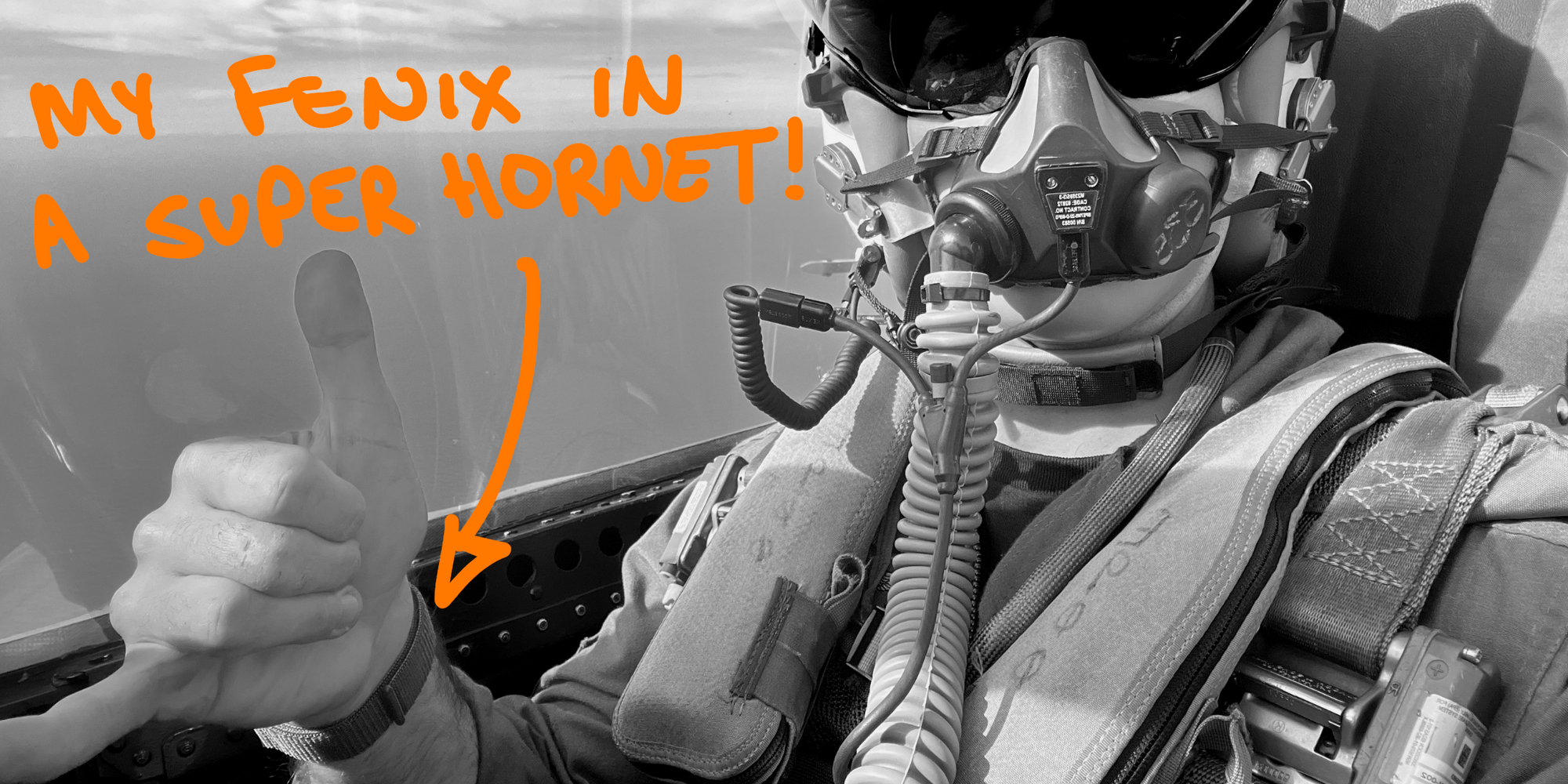
My Fenix is awesome: I turn off notifications and use it as the ultimate workout companion, allowing me to track runs, rides, and lifts completely phone free. I love that I can play music from it, start/stop/track via GPS, and don't need to use a chest strap ECG because the heart rate sensor is that good.
It is the ultimate set-it-and-forget-it device.
But the Whoop still blows me away and is the clear winner.
Whoop requires a phone to check steps, HR, recovery status, or just the time... It can't start/stop/track workouts, its HR readings when doing HIIT or strength workouts is shockingly bad, necessitating the use of the bicep band. I find myself constantly switching between the SuperKnit for sleep, SportFlex for longer sweaty runs and rides, and the bicep band for supreme accuracy. For me, it's just not as set-it-and-forget-it as the Garmin.
So I'm not coming at this as some guy who read two press releases and called it a review. I actually live in the Garmin ecosystem every day and compare everything to the Whoop, which, despite all its criticisms and short-comings, still reigns supreme.
I've owned a Garmin for almost ten years. During that time I've had cardiovascular PR's as well as cardiovascular fitness all-time-lows. I used it to train and track, but ultimately never got to sustained healthier point.
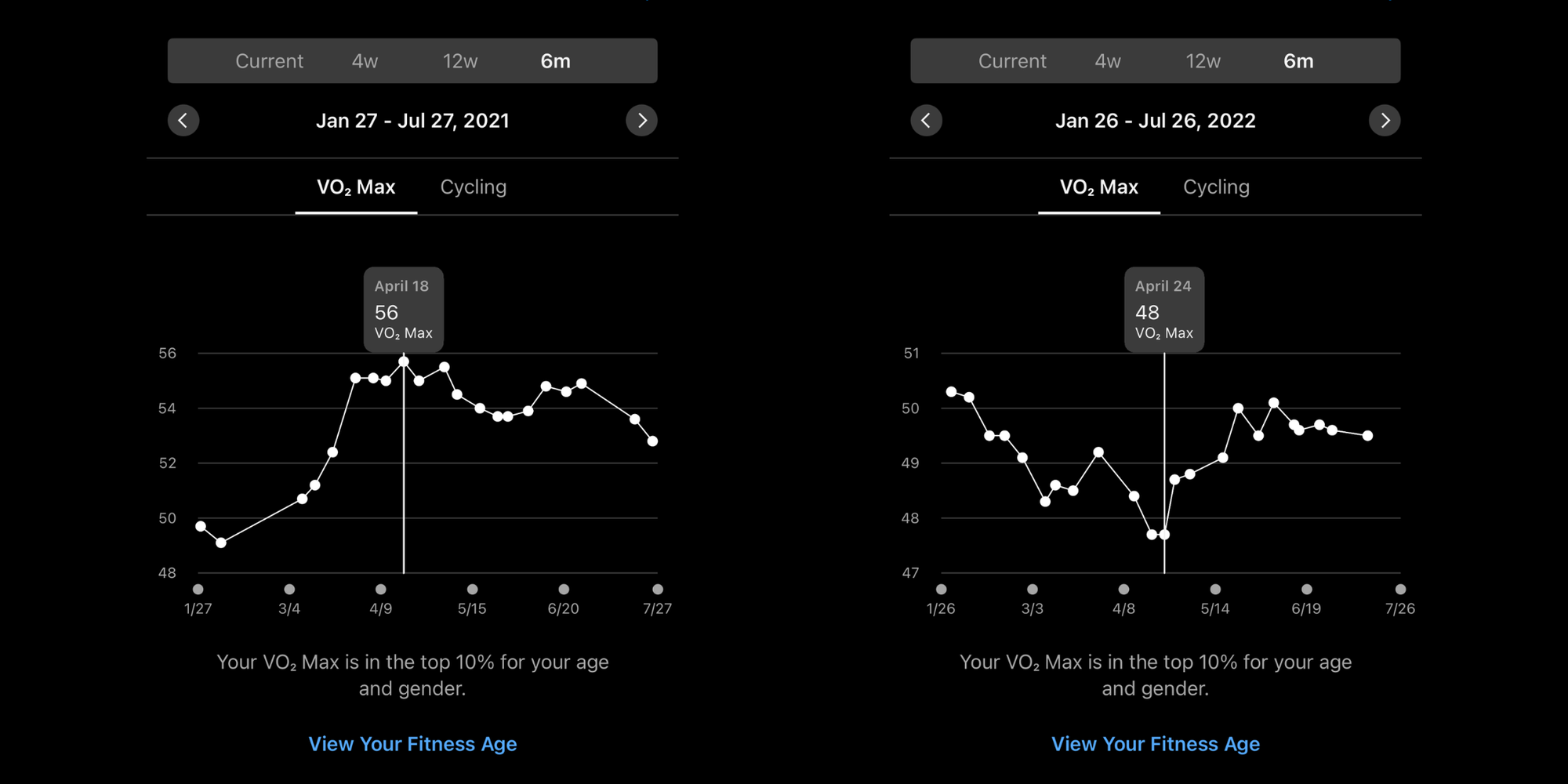
Whoop is simply unmatched in helping you live a healthier life. I now am motivated to spend time on what moves the needle. I'm more balanced with my weight training and cardio. I sleep better. And Whoop gives the roadmap for health improvement and accountability.
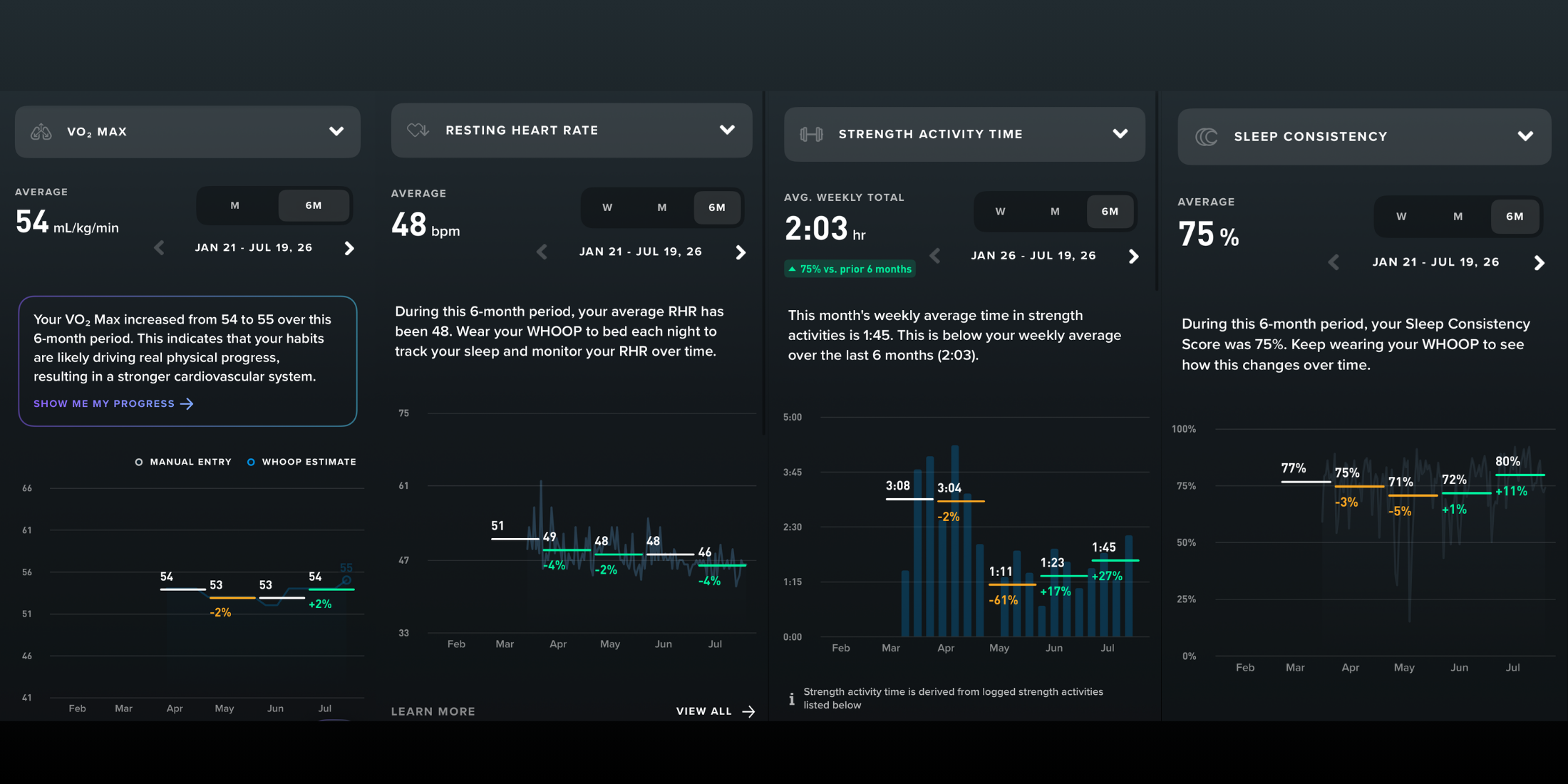
With Whoop, I've:
- Improved my VO2 Max consistently
- Lowered my RHR month over month
- Focused on keeping my strength training in my programming
- Dialed in sleep consistency for noticeably better sleep
If you're interested, you can get a free Whoop and one month free when you join with my link: https://join.whoop.com/4F98EF17
Heads up: this post contains referral and affiliate links, including Amazon Associates links. If you sign up or buy through them, I may earn a commission or membership credit at no extra cost to you. As an Amazon Associate I earn from qualifying purchases. Nobody sponsors The Flyby — I bought everything reviewed here.
What Garmin's Cirqa Actually Does
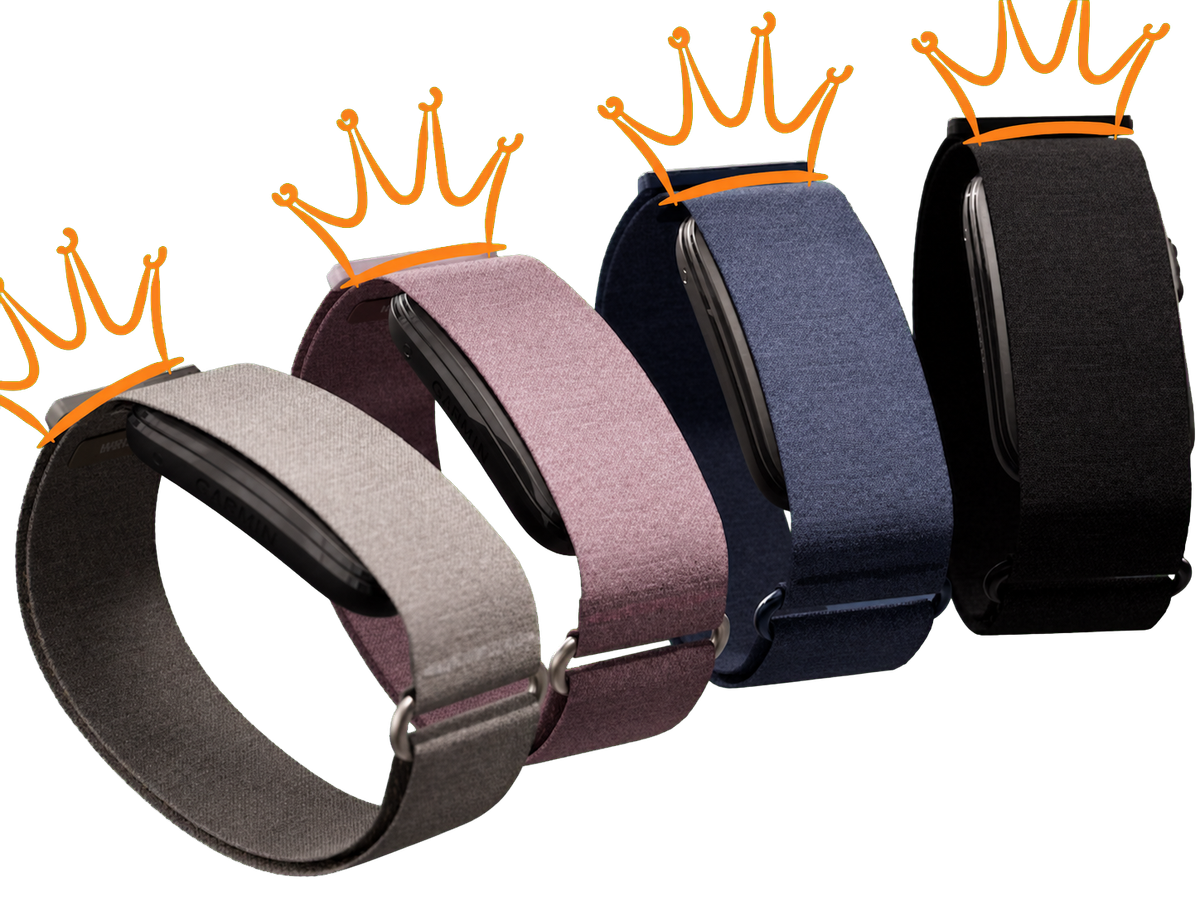
Cirqa is Garmin's first screen-free smart band. No display, one button, LED and vibration for feedback, and it leans on your phone for everything else. It runs $199.99 as a one-time purchase, no subscription required, though Garmin will happily sell you Connect+ for $6.99 a month if you want the deeper insights. Ten day battery life, four colors, quick-release bands so you can swap straps like a regular Garmin watch.
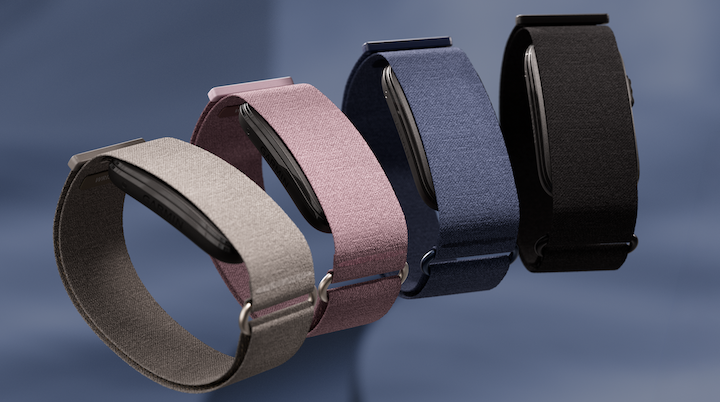
On paper that undercuts Whoop's whole business model. Whoop makes you pay a membership just to keep the thing functional, $199 to $359 a year depending on tier, and the hardware itself is technically free. Cirqa buy it once and you're done, at least for the core metrics.
So why isn't this an obvious win for Garmin?
The Shocking Gen 4 Sensor Gap
Cirqa, probably the most-anticipated wearable launch of 2026, ships with the Elevate Gen 4 sensor. Not a new Gen 6 sensor or even the Gen 5 like the one I have on my Fenix 7 Pro from 3 years ago, but the Gen 4 from 2022. Like... what?
That matters because Gen 5 is what Garmin's newer devices use for more accurate HR and stress data, and Cirqa skipped it. No ECG either. No onboard GPS, so if you want outdoor activity accuracy you're leaning on your phone the whole time.
It's essentially a Whoop, maybe even a slightly improved Whoop (I wish Whoop had one physical input method such as a double-tap to start/stop sets during Strength Trainer), while still hamstrung by an absolutely shit Garmin Connect app.
Whoop 5.0 was built from the ground up as a recovery and strain device. That's the entire product. Garmin built Cirqa as an entry point into its ecosystem, a gateway device to get casual users hooked before they upgrade to an actual watch. Different goals produce different hardware priorities, and recovery tracking lost that fight.
The more I learned about Whoop, the more blown away I was.
Garmin's entire ecosystem has historically run a lower background heart rate polling rate all day to save battery, then ramps up to continuous sampling once you actually start a tracked activity. Cirqa's no display and 10 day battery target point to the same tradeoff.
Whoop skips that toggle entirely, it's sampling at that same insanely high rate of 26 Hz around the clock, active workout or not and that's the real gap. Not just sensor generation, but whether the device is actually watching you the whole day or just checking in periodically until you tell it to pay attention. The ability to retroactively add an activity like a breathwork or HIIT session with Whoop's precision is remarkable.
Recovery Science is Still Whoop's Game
This is the part that matters if you're training hard and optimizing for health, not just chasing a 5k PR. WHOOP's entire product revolves around Recovery, Strain, and Sleep Performance, algorithms refined for years around that exact use case. WHOOP took the underlying science (HRV, resting heart rate, sleep stages, respiratory rate) and distilled it down into one clear number that tells you what to do today: push, hold back, or rest.
Garmin has the same underlying data, but spreads it across Body Battery, Training Readiness, Training Status, and Health Snapshot, a pile of separate metrics that never quite resolve into a single, actionable takeaway. Training Readiness comes closest, pulling from similar biomarkers as WHOOP's recovery score, but Body Battery in particular feels like a gimmick. I've never once called it a night at 5pm because my "battery was dead."
WHOOP built a dedicated Scientific Advisory Council in 2022, an internal VP of Performance Science, and treats the platform as an ongoing research engine, not just a wearable. Garmin, by contrast, is fundamentally a GPS and hardware company with no equivalent standing science function, so its physiological features come off as bolted on rather than built out. That's the real gap: it's not that Whoop's algorithm is proven superior, it's that Whoop invests in the science as a discipline in a way Garmin structurally doesn't.
Cirqa being named a "Whoop Killer" is just categorically false. Not because it's a bad product, but because it's still a different market. Some people aren't bothered by wearing a bulky watch 24/7 and find the Garmin Connect app amazing because they can dig into the nitty-gritty of their data and aren't bothered by poor user interface/experience.
The Cirqa doesn't change Garmin into a direct Whoop competitor.
Cirqa now provides a way to sleep with a comfortable band at night or wear a mechanical watch simultaneously during the day.
Where Cirqa Actually Wins
Fair's fair. If you hate subscriptions on principle, Cirqa's one-time price is going to feel great compared to watching $20 a month leave your account for Whoop. And if you already live in the Garmin app ecosystem, having Cirqa talk to the same Connect app as your other gear is a real convenience play.
I think the biggest advantage the Cirqa has is the manual button to start/stop workouts. This button also acts as a snooze/off button for alarms. Very nice! Whoop having this would be a huge addition for true "screenless" life.
But convenience and ecosystem lock-in aren't why people buy a recovery tracker. They buy it because they want the most accurate read on whether their body can handle today's workout. That's largely still Whoop's lane.
So Which One Should You Actually Buy?
If you're a casual health tracker who wants basic sleep and activity numbers without paying forever, Cirqa at $199.99 one-time is a genuinely good deal, especially next to the Fitbit Air.
If you're actually training, whether that's OCS prep, PRT standards, or just trying not to blow up your knees at 34, Whoop's recovery data is still the more dialed in tool. I'd rather pay the subscription and trust the number. That's why I'm still using Whoop today and loving it.
How do I think Garmin could ABSOLUTELY dominate the market?
Acquire Bevel Health. Bevel is an amazing company doing really cool things with a highly interactive development team on Reddit. They're modern, they understand what people want as an alternative to Whoop, and they have a fantastic product.
If interested in learning more about Whoop vs Bevel (and therefore any tracking device of your choosing) I wrote all about it earlier, here.
Your Support
I write everything for free in the hopes that it will inspire and educate on what it’s like to fly planes in the world’s greatest Navy and to spread the joys of aviation in general. I don't run ads and I don't put anything behind a paywall.
If you enjoyed this article, you can show your support by checking out my store on Etsy, where I sell really cool aviation-themed streetwear clothing. It’s all designed by me, a real-life, very-average fighter pilot.

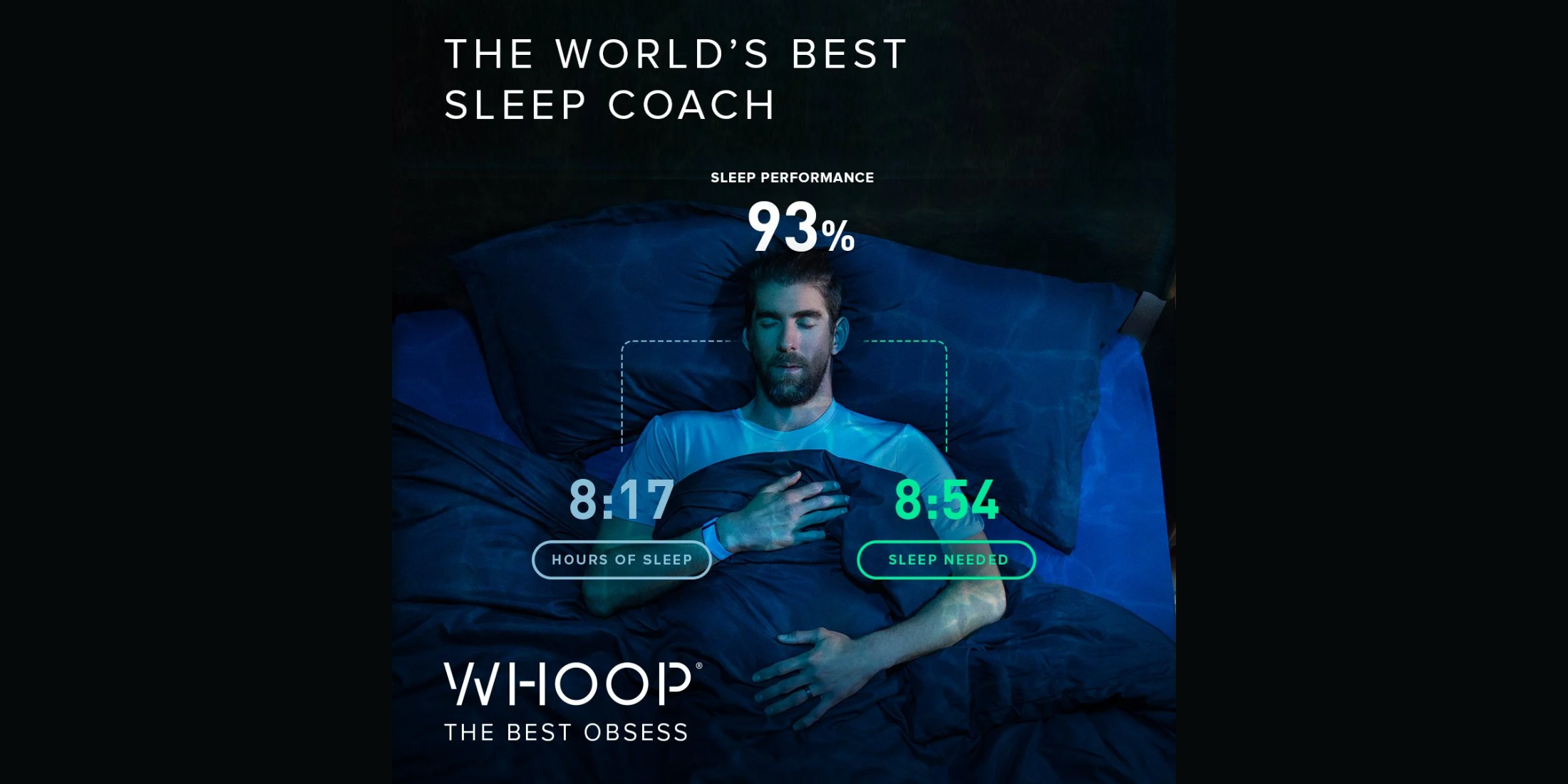
Also, if you're interested in Whoop and how it can help in your fitness journey, you can try a one month free trial. I'm not sponsored but it does help me to continue to write on topics and tech that help pilots and fitness enthusiasts.
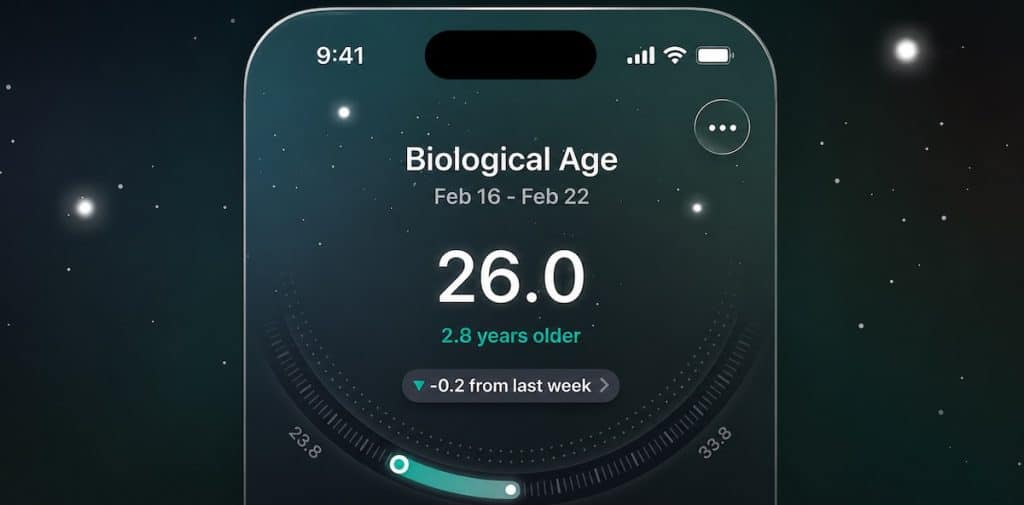
Or, if you think you'd prefer to give Bevel Health (my favorite app to use with my Garmin Fenix) a go, you can also try one month free.
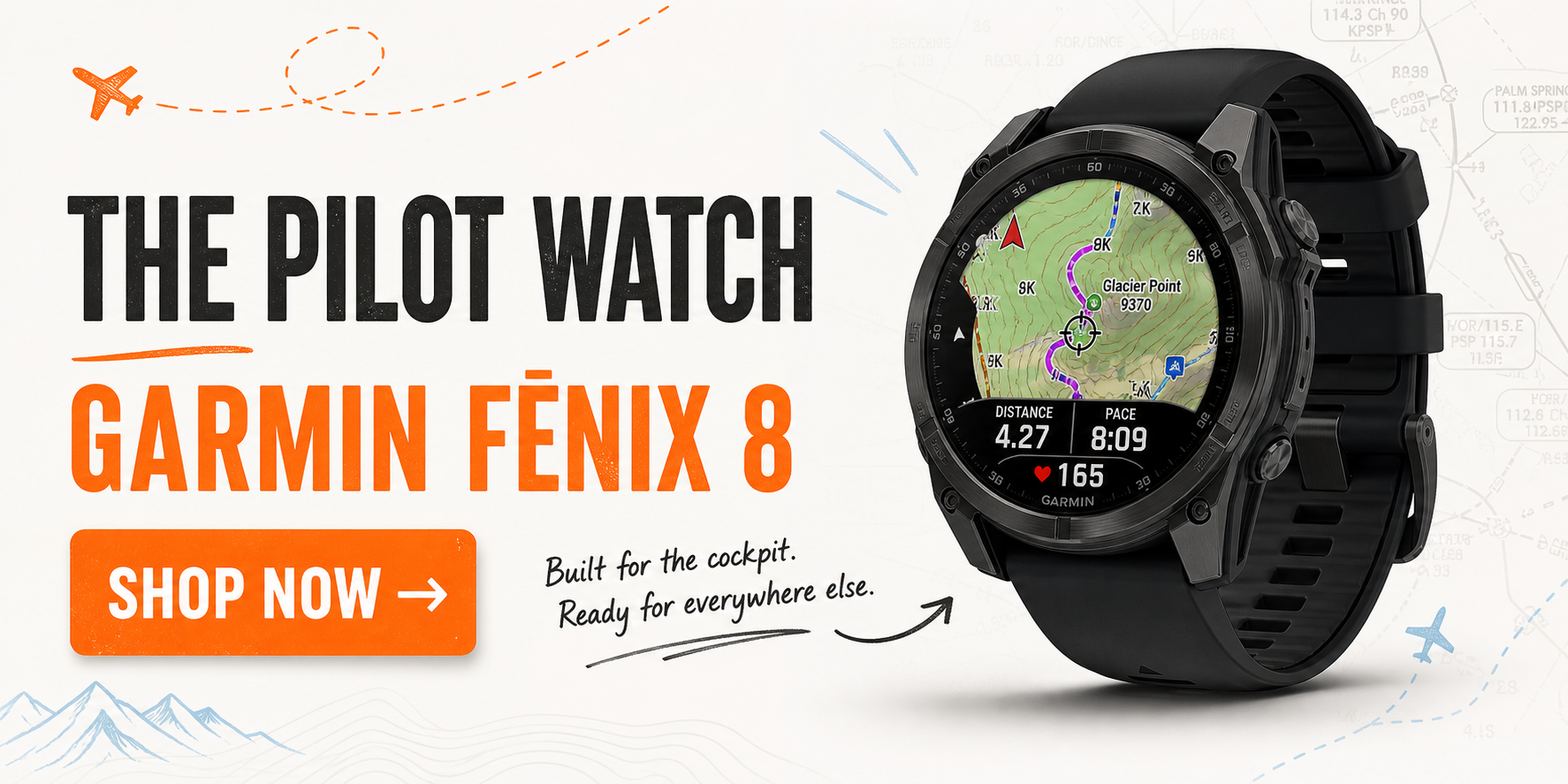
And finally, if you are interested in the best fitness watch on the planet, worn by thousands of pilots worldwide, check out Garmin. I'm not sponsored, they just make one hell of a product. If you shop through my Amazon affiliate link, I make a small commission at no cost to you. It's not quite enough to pay for weekend gas in the Cessna, but it does help cover a couple of beers. Thank you!
Let me know if you decide to try any of them out and what your thoughts are! I love talking tech.