

5 Super Bowl LX Flyover Facts You Need to Know
Be "that plane" guy at your Super Bowl party this year


A Team America Effort
Both the Navy and Air Force will participate in this flyover, celebrating 250 years of America this July. It will be a first for this type of multi-service cooperation at a Super Bowl and both services are bringing their A-game, flying the world’s most high-tech military jets.
5 Different Squadrons
VFA-2 “Bounty Hunters” will be flying the F/A-18F
VFA-192 “World Famous Golden Dragons” will be flying the F/A-18E
VFA-97 “Warhawks” will be flying the F-35C
28th Bomb Wing will be flying the B-1B
144th Fighter Wing will be flying the F-15C
It’s Not a “Waste” of Taxpayer Dollars
Although the bill for a flyover consisting of eight of the world’s most advanced aircraft is hefty, it’s not a waste. Estimated at well over $100,000, this price tag provides valuable training to the pilots and crew in a variety of ways, from mission planning to real-time, time-on-target coordination.
Not to mention all the newly inspired recruits who sign up the next day after a Budweiser-inspired bet with their buddy.
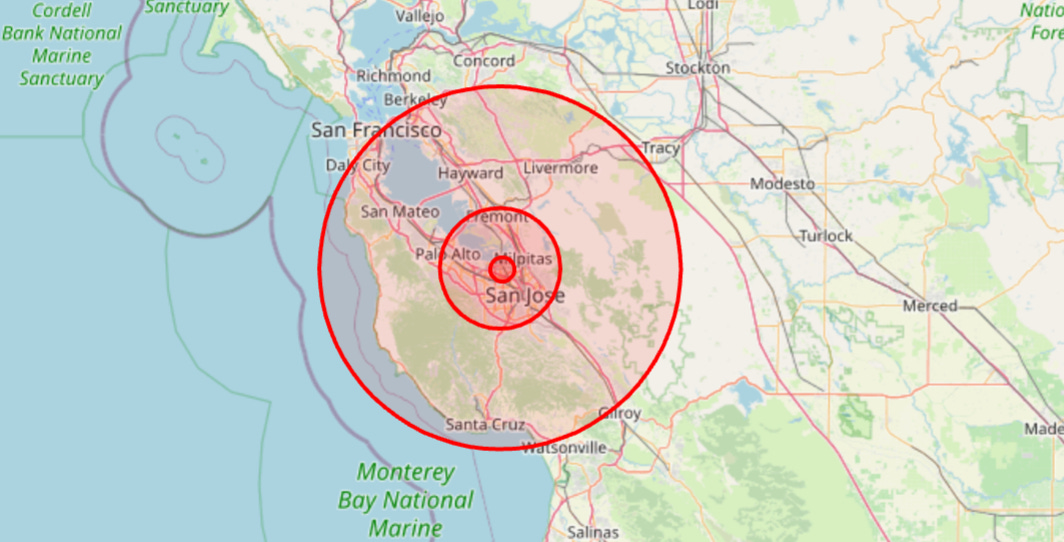
No-Fly Zone
If you want to get as close as possible to some of these jets in the flyover, all you have to do is fly into the TFR (Temporary Flight Restriction). Although I strongly suggest against it.
A TFR is an official notice to all pilots saying “do not get anywhere near this airspace” or risk getting intercepted by a military fighter jet and probably losing your license (at minimum).
They Always Bring Backup
A high-visibility event like the Super Bowl flyover demands meticulous contingency planning, down to the smallest detail. One critical piece of that plan is the inclusion of one or more spare aircraft, fully briefed and often already loitering airborne.
Flyovers are single-pass, zero-redo events timed precisely to the national anthem, leaving no margin for mechanical issues, radio glitches, or weather deviations. If any aircraft shows even a minor anomaly, it will drop out early and a spare can seamlessly slide into the formation.
These backup pilots rehearse the exact formation slot and timing as if they expect to fly it. To the crowd, the formation looks effortless but behind the scenes it’s a carefully choreographed operation designed to absorb failure without anyone ever noticing.